Editorial · Transport & Logistics
Baltic Ports Divergence: Temporary Freeze or Structural Rebalancing?
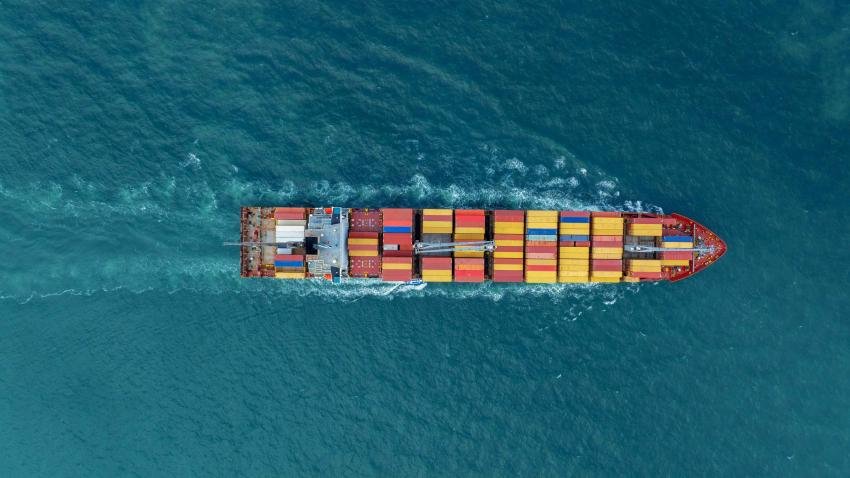
Q1 2026 revealed a clear divergence across Baltic ports. Latvia recorded broad-based contraction, Klaipėda posted strong growth, while Tallinn showed a winter-affected but structurally more stable pattern. The gap is visible in both total volumes and container performance, raising the question of whether this reflects temporary winter disruption or the early stages of a broader rebalancing of regional flows.
Data Card
Latvia (Q1 2026)
- Total: 7.78 Mt (–14.2%)
- Containers: –13.6% TEU
- Rail freight: –18.3%
- Export-related rail freight: –50%
Klaipėda (Q1 2026)
- Total: ~10.7 Mt (+9%)
- Containers: +38%
Tallinn (Q1 2026)
- Total: 3.1 Mt (–8%)
- Liquid bulk: –58.9%
- Containers: –3.8% TEU
- General cargo: +57%
- Ro-Ro: +2%
Latvia
Latvia’s ports handled 7.78 million tonnes in Q1 2026, down 14.2% year on year. The decline was visible across most major cargo groups.
Data Card: Latvian Ports (Q1 2026)
- Riga: 3.99 Mt (–8.2%)
- Ventspils: 1.78 Mt (–25.2%)
- Liepāja: 1.52 Mt (–5.3%)
- Small ports combined: 0.49 Mt (–32.9%)
- Total Latvia: 7.78 Mt (–14.2%)
Dry bulk volumes fell by 11.8%, with coal all but disappearing from the system. Liquid bulk declined more sharply, down 17.7%, driven by continued weakness in oil products. Container traffic also weakened, with TEU down 13.6%. General cargo fell by 14.9%, including a sharp 33.2% drop in timber flows.
The contraction was uneven across ports. Riga remained the largest cargo hub, handling 3.99 million tonnes, but still recorded an 8.2% decline. Ventspils fell to 1.78 million tonnes, down 25.2%, making it the weakest performer among Latvia’s major ports. Liepāja handled 1.52 million tonnes, down 5.3%, and again proved more resilient than the other large Latvian ports.
Rail freight pointed in the same direction. Total volumes declined by 18.3%, transit flows by 16.5%, and export-related rail freight by 50%, indicating pressure across the logistics chain rather than isolated port-specific weakness.
Grain adds nuance, but not a reversal. Grain and grain products handled by Latvian ports fell by 12.3% in Q1 2026, from 1.335 million to 1.171 million tonnes. At the same time, VID data showed Russian grain transit through Latvia rising to 139,400 tonnes. These volumes provided some support at the margin, but they were not large enough to change the broader downward trend.
Klaipėda
Klaipėda moved in the opposite direction. The port handled around 10.7 million tonnes in Q1, up 9% from a year earlier.
Growth was driven by strong container performance and a more diversified cargo base. Volumes increased despite a decline in vessel calls, pointing to a stronger cargo mix and firmer integration into liner shipping networks. Of the Baltic ports compared here, Klaipėda stood out as the clearest growth case in the first quarter.
Tallinn
Tallinn handled 3.1 million tonnes in Q1 2026, down 8% year on year.
The decline was concentrated in liquid bulk, which fell by almost 59%, largely because of severe ice conditions in January and February. Other segments showed a different pattern. Dry bulk remained broadly stable, container volumes declined only moderately, while general cargo rose sharply and ro-ro traffic remained in positive territory.
This suggests that the overall decline was driven by a weather-related shock in one segment rather than by broad-based contraction across the system.
At the same time, first-quarter comparisons in the northern Baltic are inherently sensitive to winter conditions. A colder season than in the previous year reduces comparability, making second-quarter data a better guide to the underlying trend.
Containers
Container performance diverged clearly across the region. Latvia recorded a pronounced decline, Tallinn a more moderate decrease, and Klaipėda strong growth.
The divergence is evident, but its interpretation remains open. Winter conditions likely affected operations in the northern Baltic during the first months of the year. At the same time, ports with stronger liner connectivity and more diversified cargo structures appear better placed to maintain or expand volumes.
At this stage, there is no direct confirmation of intra-regional re-routing of container flows. Any such conclusion would require supporting trade data.
Three distinct patterns are now emerging. Latvia is contracting across most major port and rail segments, with coal and timber under particular pressure and grain offering only limited support. Klaipėda is growing on the back of container expansion and diversification. Tallinn reflects a mixed picture shaped by seasonal disruption but supported by relatively stable core segments.
The Baltic port system is no longer moving as a single integrated flow space.
The divergence seen in Q1 2026 may reflect both temporary winter disruption and the early stages of structural rebalancing. Ports with diversified cargo bases and stronger integration into container networks appear more resilient. Systems still reliant on legacy transit flows remain more exposed, even if some individual cargo lines show short-term counter-movements.
The picture should become clearer in Q2, once seasonal distortions begin to fade.
Data basis: Official port and rail releases from Latvia, Klaipėda and Tallinna Sadam, January-March 2026.
Comparison method: Q1 2026 versus Q1 2025, using reported cargo volumes and TEU indicators.
Interpretation: Final comparative conclusion based on official first-quarter port data, with weather effects in the northern Baltic treated as a temporary factor rather than a standalone explanation.