Cyberattacks disrupt supermarket refrigeration across Europe, reaching Estonia
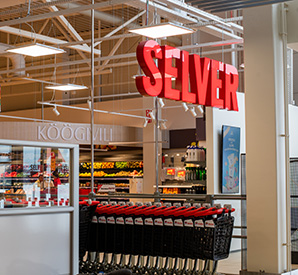
A wave of suspected cyberattacks disrupted supermarket refrigeration systems across Europe on 2 November, forcing retailers to discard food and exposing vulnerabilities in remotely controlled equipment. Problems were reported in at least seven countries, including Estonia, Sweden, Belgium, Luxembourg, Ireland, Finland and the Netherlands.
In Estonia, attackers accessed the refrigeration control system at a Selver supermarket and changed its temperature setting to +50°C, according to public broadcaster ERR.
The attack was detected within minutes. Actual freezer temperatures rose by only two to three degrees, and the retailer reported no damage. Selver said the affected store was the last in its network still awaiting an upgraded refrigeration system.
Elsewhere in Europe, the consequences were more severe.
In Sweden, ICA supermarkets reported refrigeration failures and spoiled food, while Coop confirmed incidents affecting several stores. In Belgium, dozens of retail outlets experienced disruptions, including 15 Carrefour stores. Ireland’s SuperValu reported problems at 13 stores, prompting the temporary removal of chilled and frozen products from sale.
Similar refrigeration problems were reported in Finland, although investigators had not confirmed cyber interference there.
The incidents follow attacks on hundreds of French supermarkets in October, when hackers remotely manipulated refrigeration controllers, disrupting operations and causing food losses.
Some of the affected systems used older equipment supplied by Danish manufacturer Danfoss. However, investigators have not established whether the incidents across different countries were carried out by the same attackers. No group has claimed responsibility.
The attacks highlight a growing operational risk for retailers: digitally connected refrigeration systems can become a direct source of financial losses and food-safety concerns when their remote controls are compromised.