Editorial · Transport & Logistics
Estonia’s New Car Sales Plunge by Half, Dealers Offer Record Discounts
🇪🇪 Estonia’s New Car Sales Plunge by Half, Dealers Offer Record Discounts
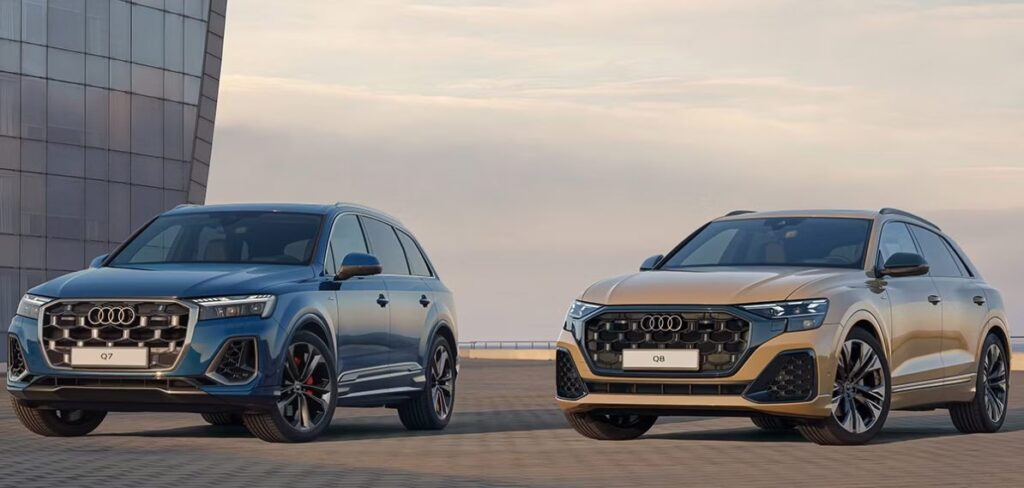
New car sales in Estonia have fallen by more than 50% compared to last year, forcing dealers to sell vehicles almost at cost and offer unprecedented incentives. Despite official statistics showing a slight annual price increase — +1.7% for new cars and +3.1% for used ones — auto showrooms report deep price cuts driven by overstock and weak demand.
“Many dealers’ warehouses are full. These stock cars are now being sold nearly at cost,” said Meelis Telliskivi, CEO of the Estonian Car Dealers and Service Association (AMTEL).
“Base prices are lower, extra equipment comes at discounts, and interest compensation makes total savings very large,” added Raido Rosenfeld, CEO of ELKE Tallinn.
Promotions can reduce prices by up to €8,000, with buyers increasingly postponing purchases rather than choosing cheaper models. According to AMTEL data, new car sales dropped 42% in the first ten months of 2025 and 53% in October alone compared to the previous year.
Consumers are now prioritizing low-maintenance and tax-efficient vehicles. SUVs remain the top sellers, with Škoda, Toyota, and Kia leading the market. Hybrid cars account for 64% of all new registrations, showing a clear preference for energy-efficient options.
“Importers have realized they must offer more discounts — low interest, zero down payment, better leasing packages — to keep sales moving,” said Indrek Luberg, marketing head at ABC Motors.
“Last year, people rushed to buy before the new car tax took effect; now, some models are actually cheaper with the tax than they were before,” he added.
Context:
The collapse in Estonia’s new car sales follows the introduction of vehicle taxation in early 2025, which raised upfront and annual costs for car owners. As a result, consumers delayed purchases, and dealers accumulated excess inventory. The sharp decline contrasts with neighboring Latvia and Lithuania, where sales fell by 15–20% but not by half. Analysts warn that the Estonian market may need most of 2026 to recover, especially if interest rates remain high.
Source: ERR, AMTEL, Statistics Estonia