Business Voice · Transport & Logistics
How to Enter the Baltic Market? Why Not Through Erasmus?
An Erasmus internship in Finland gave an MBA student in Riga hands-on experience in European logistics and a route towards starting his own freight-forwarding company in Latvia.
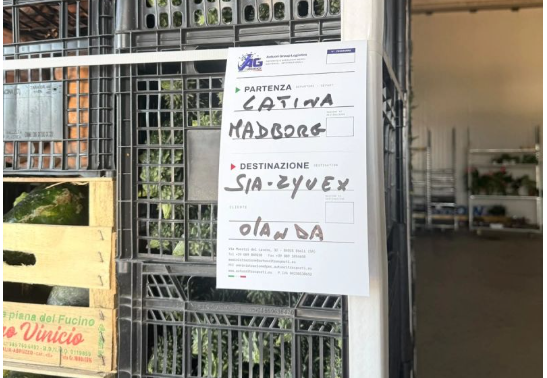
Mangoes, guavas and other tropical produce from the Dominican Republic might seem an unusual starting point for a story about studying in Latvia. Yet they are part of a logistics project I am currently working on: arranging air freight to Frankfurt, followed by refrigerated road transport to Helsinki.
SIA Zyvex, the freight-forwarding company I founded in Riga, grew out of a journey that connected Latvia and Finland.
I came to Latvia to study for an MBA at Riga Nordic University. Previous experience in logistics in India and Dubai provided a useful background, but the European market was new territory. The goal was to understand how the industry worked here.
An Erasmus internship at Golden Food Oy in Finland offered that opportunity. The placement involved daily transport operations, solving practical problems and communicating directly with customers.
The work also revealed a potential business opportunity. Some customers struggled with inflexible transport arrangements and slow communication. A more flexible freight-forwarding service seemed a possible alternative.
Just as important were the people at Golden Food Oy. The CEO and the team were welcoming, almost like family. When the idea of starting a company in Latvia came up, they encouraged me and expressed confidence that I could do it.
That experience helped turn the idea into a practical decision. SIA Zyvex was established in Riga to provide international freight-forwarding services by air, sea and road. The first business contacts and opportunities began developing during and shortly after the internship.
Today, much of the company’s work involves Finnish customers. One current project involves arranging the transport of tropical produce from the Dominican Republic via Frankfurt to Helsinki, combining air freight with refrigerated road transport.
Looking back, the connection is clear. Studies in Riga led to an Erasmus internship in Finland, where practical work, contact with customers and support from colleagues helped open a path into the European market. The next step was establishing a company in Latvia.
Previous experience in logistics was part of that process. Erasmus added something different: direct access to a European business environment and the people working in it.
For international students considering entrepreneurship, an internship can be more than part of a degree. It can also be the first practical step towards entering a new market.
By Gulzar Ahammed, Founder of SIA Zyvex