Lithuania strips ex-PM Paluckas of immunity in illicit enrichment case
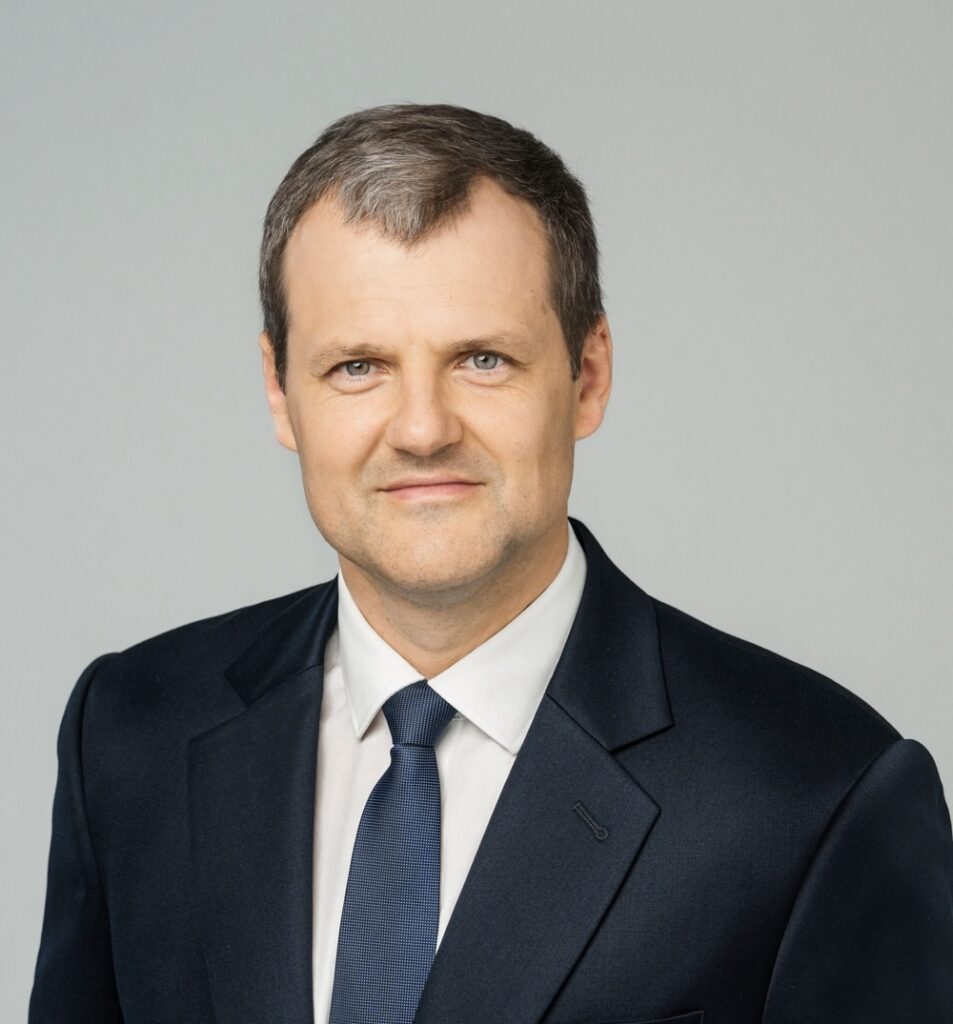
Prosecutors are examining whether Paluckas and his wife acquired almost €345,000 in assets from income that could not be legally justified.
Lithuania’s parliament has lifted the legal immunity of former prime minister and former Social Democratic leader Gintautas Paluckas, allowing prosecutors to move forward in an investigation into alleged abuse of office and illicit enrichment.
The vote in the Seimas was decisive. Of 98 MPs who took part, 93 supported lifting Paluckas’ immunity. The former prime minister himself asked parliament to remove the protection and said he did not need political cover in the legal process.
At the centre of the case is the origin of assets held by Paluckas and his wife, Ilma Paluckė. Prosecutors allege that between December 2010 and the end of 2024 they may have acquired property worth almost €345,000 from income that could not be legally justified.
According to the prosecutor general’s request to parliament, the assets cited in the case include cash deposited into bank accounts, cars purchased with cash, real estate and securities.
Paluckas framed the next stage of the case with a pointed remark in parliament, saying that he would now have to “count his own money with a prosecutor.” The phrase captured the political tone of the case: this is no longer a dispute over parliamentary procedure, but a legal process focused on the origin of private wealth.
For Lithuania, the case now goes beyond one legal file. Because Paluckas previously served as prime minister and led the Social Democratic Party, it becomes a test of political accountability at the top of public life.
The broader question is institutional. Baltic economies are trying to attract more capital, build larger companies and deepen links between business and politics. But the reverse side of that process is always the same: when wealth becomes politically visible, institutions must be able to ask where the money came from — and apply that question upward as well.