Parking as regional infrastructure: what the Cityparks deal reveals about the Baltic market
Parking as regional infrastructure: what the Cityparks deal reveals about the Baltic market
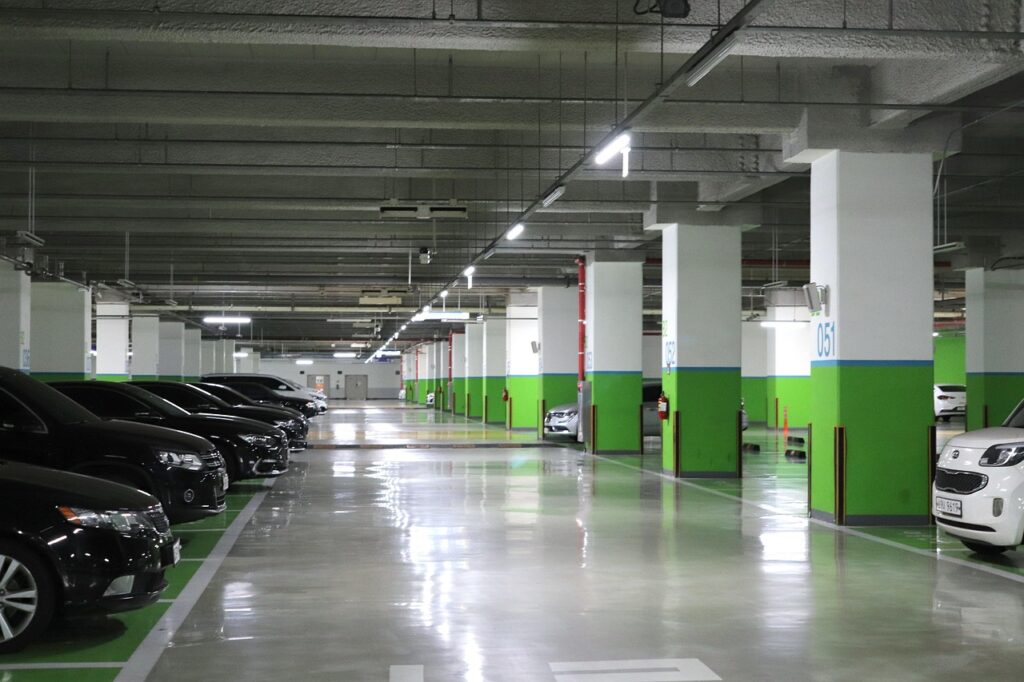
Parking as regional infrastructure: what the Cityparks deal reveals about the Baltic market
The transaction.
Estonian parking operator AS Ühisteenused has acquired 100% of Cityparks Latvija. The purchase price was not disclosed. Cityparks operates parking facilities in 12 Latvian cities. In 2024, the company reported revenue of €2.51 million and net profit of €226,052.
Who the buyer is — and what assets stand behind it
AS Ühisteenused is controlled by the Estonian private investment group UG Investments, associated with entrepreneur Kristjan Rahu.
Assets and businesses linked to this investment circle include:
AS Ühisteenused — parking management and enforcement services in Estonia
Cityparks Latvija — parking operations across Latvia (now fully owned)
Utilitas — district heating and energy generation (historically founded and developed by Rahu; currently majority-owned by an international infrastructure fund, with local capital retaining strategic involvement)
Utilitas Wind — onshore wind energy assets
Parkner — a digital parking payment and management platform used in Estonia and planned for rollout in Latvia
The common denominator across these assets is physical infrastructure combined with long-term service contracts and predictable demand.
The seller side: why this is consolidation, not expansion
Before the acquisition, Cityparks Latvija’s ownership structure was:
40% — OÜ Toystor (Estonia)
30% — Alvarium (Latvia)
30% — Lectum Invest (Latvia)
Estonian capital was already the single largest shareholder prior to the deal. The transaction therefore represents a consolidation of existing influence, rather than a first-time entry into the Latvian market.
Regional context: parking across the Baltics
While parking is structurally similar across the Baltic states, local market dynamics differ.
🇱🇻Latvia provides the most permissive environment for private parking operators. Municipalities frequently outsource parking management through bundled contracts, public resistance to tariff changes is limited, and parking rarely becomes a political issue. This allows gradual price increases and stable margins, making Latvia particularly attractive for consolidation strategies.
🇪🇪Estonia combines private operation with stronger municipal oversight and higher public sensitivity. Digital transparency is higher, pricing changes te ained than in Latvia.
🇱🇹Lithuania is the most contested market. Parking policy is more often politicised, public debate around urban space is active, and pricing decisions are more likely to trigger media or political pushback. As a result, revenue growth is typically slower and more dependent on negotiation with municipalities.
Why this deal matters
Parking functions as a local natural monopoly: geography is fixed, alternatives for users are limited, and demand is relatively inelastic. Revenue is generated through frequent low-value transactions, creating predictable cash flow once permits and contracts are secured. At the same time, the sector is highly sensitive to municipal policy: reductions in on-street parking, changes in urban planning priorities and enforcement rules directly affect asset utilisation and pricing power.
Combining physical control over parking zones with a unified digital layer strengthens operational discipline, data visibility and long-term pricing control.
From a regional perspective, the Cityparks acquisition follows a familiar Baltic pattern:
operational models and digital systems developed in Estonia;
revenue scalability and consolidation in Latvia;
more cautious exposure to Lithuania.
Bottom line
This is not a story about consumer convenience or apps. It is a case of intra-Baltic infrastructure consolidation, where Estonian capital — already embedded in the asset — has moved to full has moved to full ownership, reinforcing control through digital and operational integration. The analysis continues in the next section.
For the regional infrastructure market, the deal highlights how small, everyday services such as parking increasingly function as strategic, long-term assets across the Baltics.