Analysis · Transport & Logistics
Strategic Advice or Survival Tactic? Decoding airBaltic’s Deal with Seabury
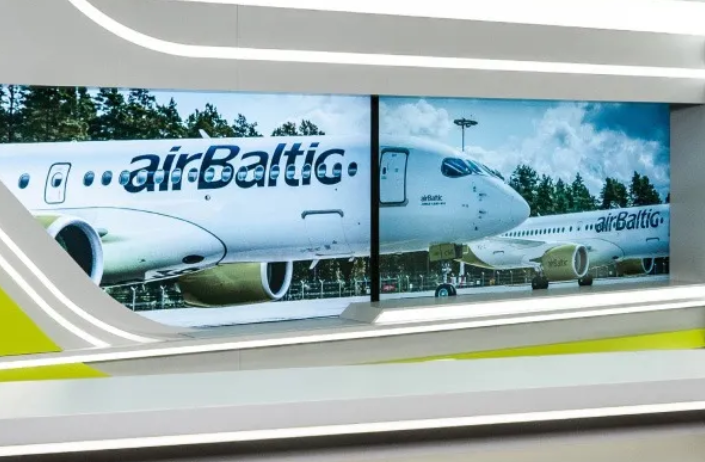
airBaltic has appointed Seabury Securities LLC and Seabury Securities (UK) Ltd. as strategic and financial adviser at a time of mounting financial pressure. With its IPO paused, a short-term state loan put forward and additional funding still needed, the move raises a key question: is this an extension of the airline’s stated strategy – or a response to mounting financial pressure?
The airline said Seabury will support the strategic priorities outlined during the March 11 investor call as part of its previously announced strategy. The mandate includes operational review and adjustment, improvement of financial performance, strengthening of the capital structure, and support for a structured capital-raising process. Seabury is initially expected to focus on evaluating the airline’s long-term business strategy and supporting that capital-raising effort.
Data card: airBaltic’s current financial pressure
- 2025 net result: -€44.3 million
- Short-term state loan put forward: €30 million
- Additional funding need discussed: €100-150 million
- Bond issue outstanding: €380 million
- Bond coupon: 14.5%
- Bond maturity: 2029
- IPO status: paused
Seabury’s profile sharpens that reading. The firm is known in aviation for restructuring, capital raising and crisis-related mandates rather than incremental strategy work.
Data card: Seabury’s recent aviation mandates
- GOL – adviser on $1.9 billion exit financing
- SAS – adviser on restructuring and exit financing
- Norwegian Air Shuttle – adviser on restructuring and recapitalisation
- Avianca – adviser on DIP financing during Chapter 11
- Norse Atlantic Airways – strategic adviser
That track record helps explain why Seabury’s appointment is being read as more than routine advisory work. In aviation, the firm is typically associated with stressed balance sheets, funding pressure and financial reset processes.
The balance-sheet backdrop reinforces the point. airBaltic carries a €380 million bond with a 14.5% coupon due in 2029 – a high cost of capital that limits flexibility. What was meant to support a path toward IPO now sits alongside a more immediate task: preserving liquidity and securing new funding.
Data card: airBaltic background
- Founded: 1995
- Fleet: 55 Airbus A220-300 aircraft
- Employees: more than 3,000
- Main shareholder: Latvian state – 88.37% voting rights
- Lufthansa stake: 10%
- Other private shareholders: 1.63%
As the leading airline in the Baltic market, airBaltic’s position makes the situation more than a company-level issue. The appointment of Seabury can still be read as an attempt to stabilise the business and preserve future access to capital markets. But with the IPO on hold, state support already needed and further funding still required, the real question is becoming harder to ignore: is airBaltic moving into a stabilisation phase – or toward the kind of deeper restructuring path Seabury has already worked through in cases such as Avianca?