Protected Latvian bats die at Lithuanian-owned wind park near Liepāja, experts warn
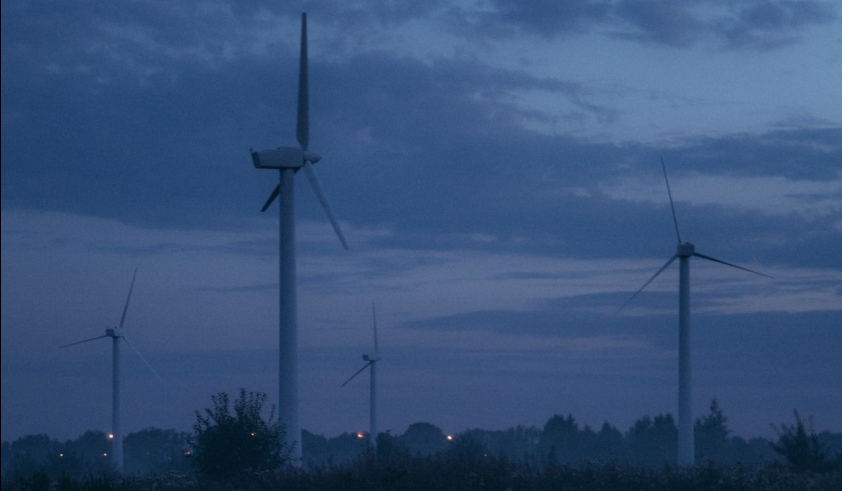
A Lithuanian-owned wind park near Liepāja has been ordered to stop its turbines after 18 protected bats were found dead around the site within two weeks — twice the threshold set for the testing phase.
Latvia’s Nature Conservation Agency ordered developer Rapsoil to halt the turbines and submit measures to reduce further fatalities. The order was issued on 11 September and remained in force. TV3’s Nekā personīga reported that turbines were still operating when journalists visited the site on 30 September.
The agency said the order had effectively been ignored and imposed a €1,000 enforcement payment. Rapsoil disputes that it breached the requirements and plans to challenge the sanction.
Rapsoil is owned by Lithuanian energy company Enervia. The 57.6 MW wind park is part of a hybrid energy project with total planned CAPEX of around €107 million, including battery storage.
The environmental risk is not new.
The turbines stand between the Baltic Sea and the Tosmare nature reserve, in an area long identified as an important bat migration corridor. Latvia’s bat species are specially protected, and experts had raised concerns about the location of the project years before construction began.
Certified bat expert Renāte Kaupuža told Nekā personīga that the location was particularly problematic because the turbines effectively form a wall across one of Latvia’s main migration routes. She also pointed to the relatively low clearance between the turbine blades and the ground, where many bats are concentrated.
Gita Strode, director of the Nature Conservation Department at Latvia’s Nature Conservation Agency, said the coastal strip itself is a well-known migration route.
“The two-kilometre zone along the sea is the intensive bat corridor.”
In Liepāja, she noted, the wind park sits between the sea and Lake Tosmare, close to feeding areas as well as old bunkers used by bats for wintering.
Concerns over impacts on birds and bats date back to the project’s original environmental assessment more than a decade ago. In litigation over the project, Latvian courts found that bat migration and the potential impact on bats had not been sufficiently assessed.
The turbines entered testing this summer. The 18 carcasses represent only animals found during monitoring. The Nature Conservation Agency says the actual number of deaths could be higher because much of the surrounding area is difficult to search.
The case turns a long-known environmental risk into an immediate operational one: a major energy investment has reached the testing stage while restrictions linked to bat migration are already limiting how the turbines can operate.
Sources: TV3 / Nekā personīga; Latvian Nature Conservation Agency; Environmental State Bureau; Nasdaq Baltic / Enervia investor documentation.