Baltic Airports Are Growing as Airlines Pull Back
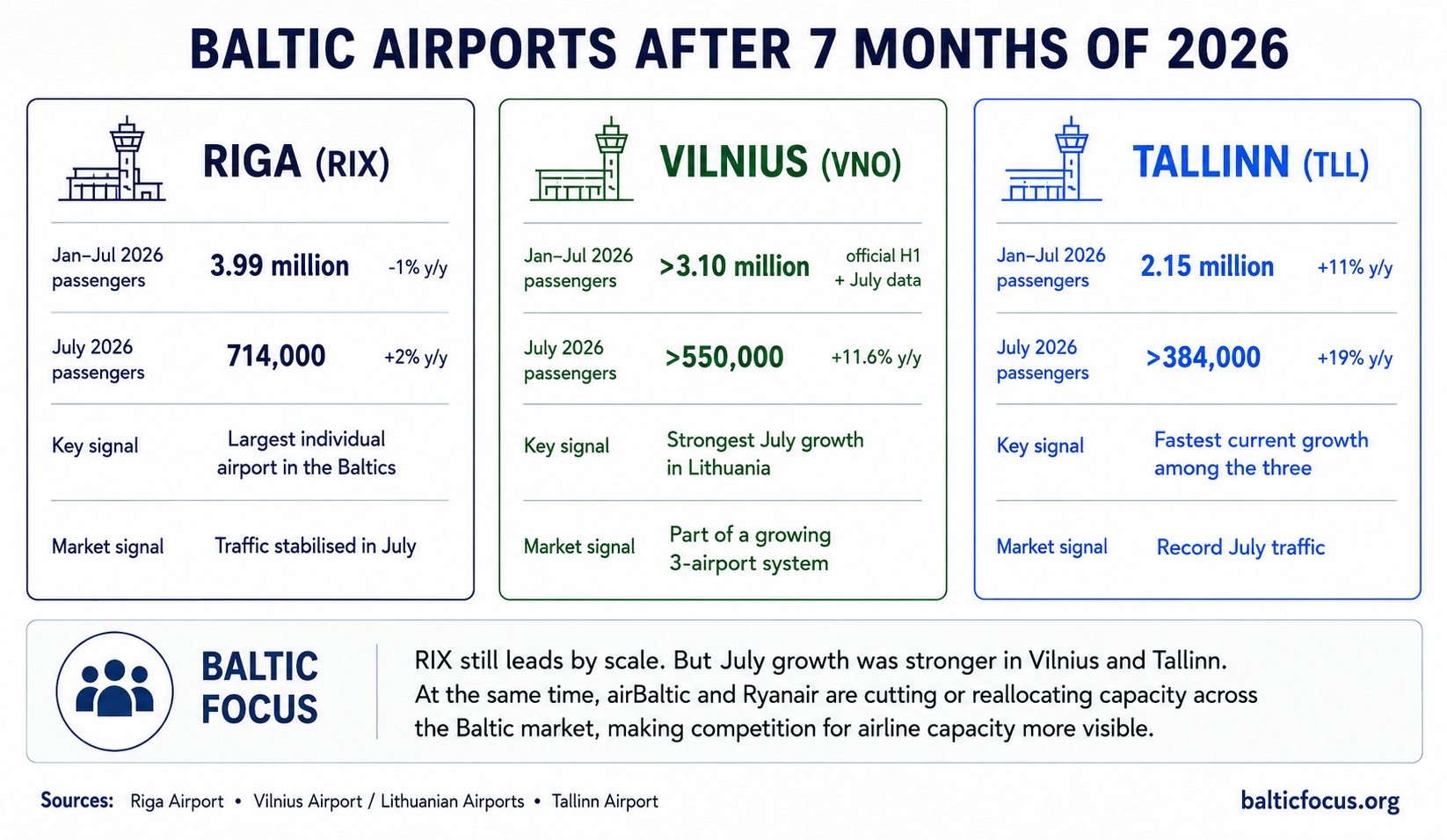
Riga remains the largest individual airport in the Baltic states. But by the end of summer, the more important question is no longer who is first by passenger numbers.
 Data
Events, data and analysis from the Baltic economies
All published material
Search events, statistics and analysis by keyword, country, sector or statistical series. Year means publication year.
Riga remains the largest individual airport in the Baltic states. But by the end of summer, the more important question is no longer who is first by passenger numbers.
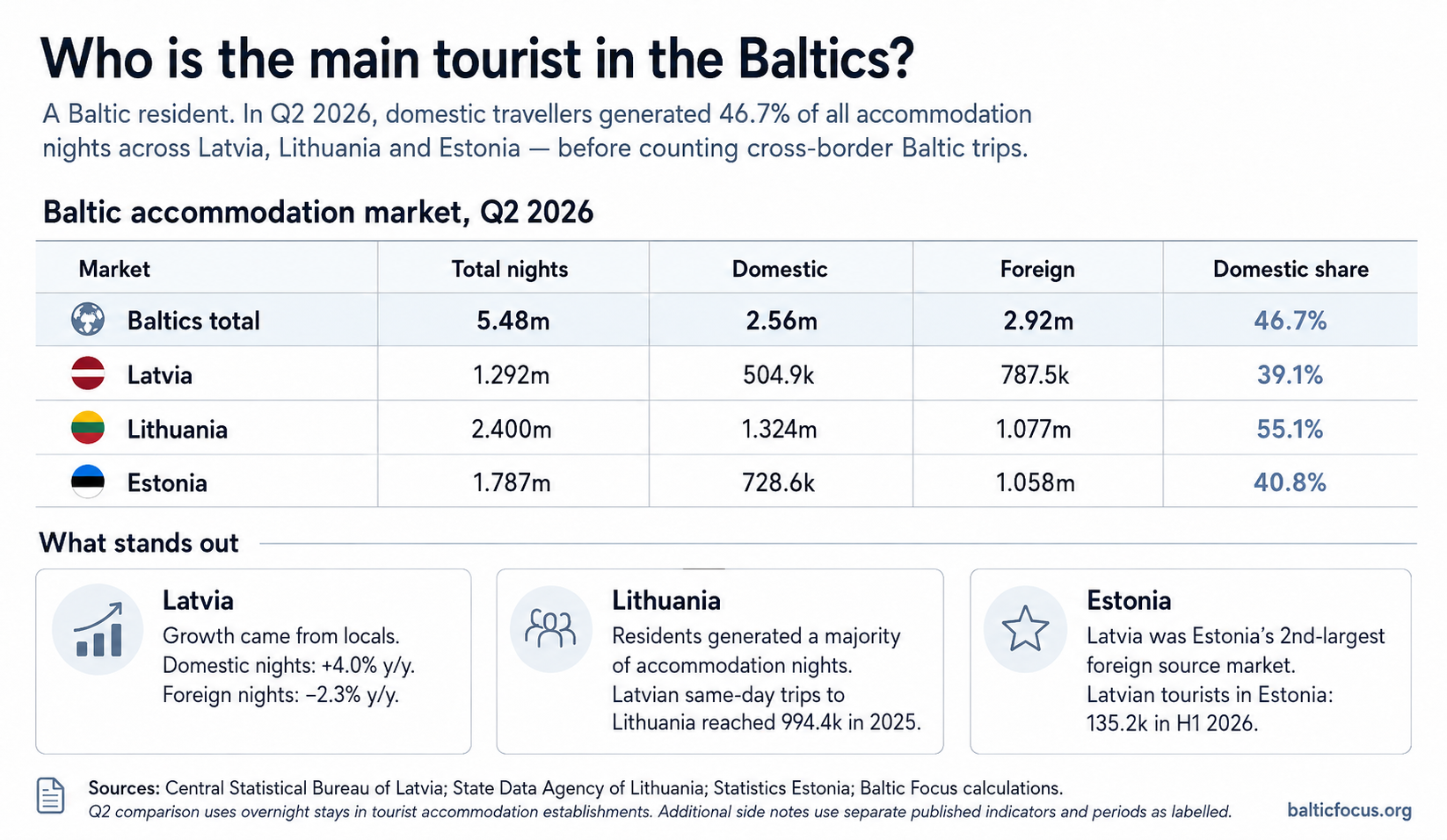
DataIn the second quarter of 2026, tourist accommodation establishments across Latvia, Lithuania and Estonia recorded about 5.48 million overnight stays.
 Photo
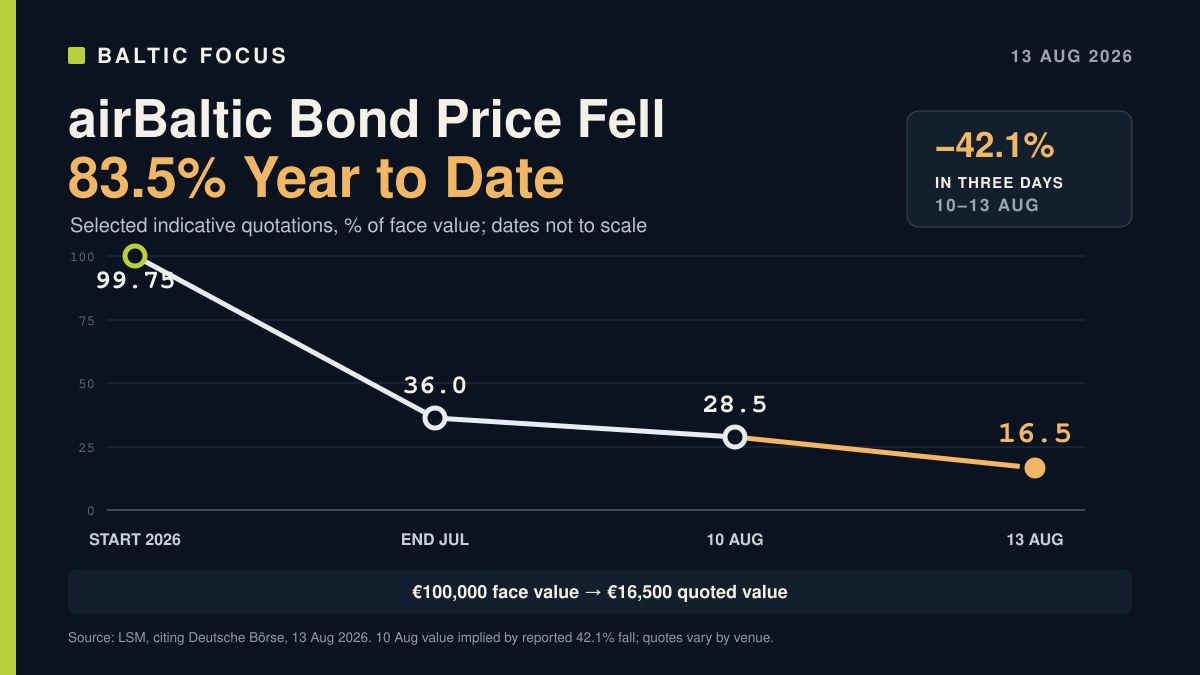
S&P Global Ratings downgraded airBaltic to SD, or Selective Default, and lowered the rating on its €380 million senior secured bonds due in 2029 to D.
 Photo
Rescuing the airline could reward late bond buyers, protect Riga’s hub and preserve capacity for Lufthansa Group.
 Photo
he same downturn is producing different outcomes across Baltic dairy:
 Photo
DHL eCommerce has agreed to acquire Venipak’s companies in Lithuania, Latvia and Estonia.
 Photo
The first half of 2026 widened the gap between the principal ports of the Baltic States.
 Photo
Rail Baltica is visibly under construction across Estonia, Latvia and Lithuania. But the three countries have reached materially different stages.
 Photo
Riga remains the largest individual airport in the Baltic states, serving 3.28 million passengers in the first half of 2026, yet its traffic declined by 1%.
 Photo
The first half of July brought several developments that changed the operating environment for business, infrastructure and public policy across the Baltic region. — Lithuania has a new government, but not a new economic course. — airBaltic is…
 Photo
Asked about airBaltic’s future in a 16 June interview on Latvian Television, Prime Minister Andris Kulbergs said that the state had to “stop acting as an ATM”. The demand is understandable. airBaltic needs a credible business plan, a…
 Photo
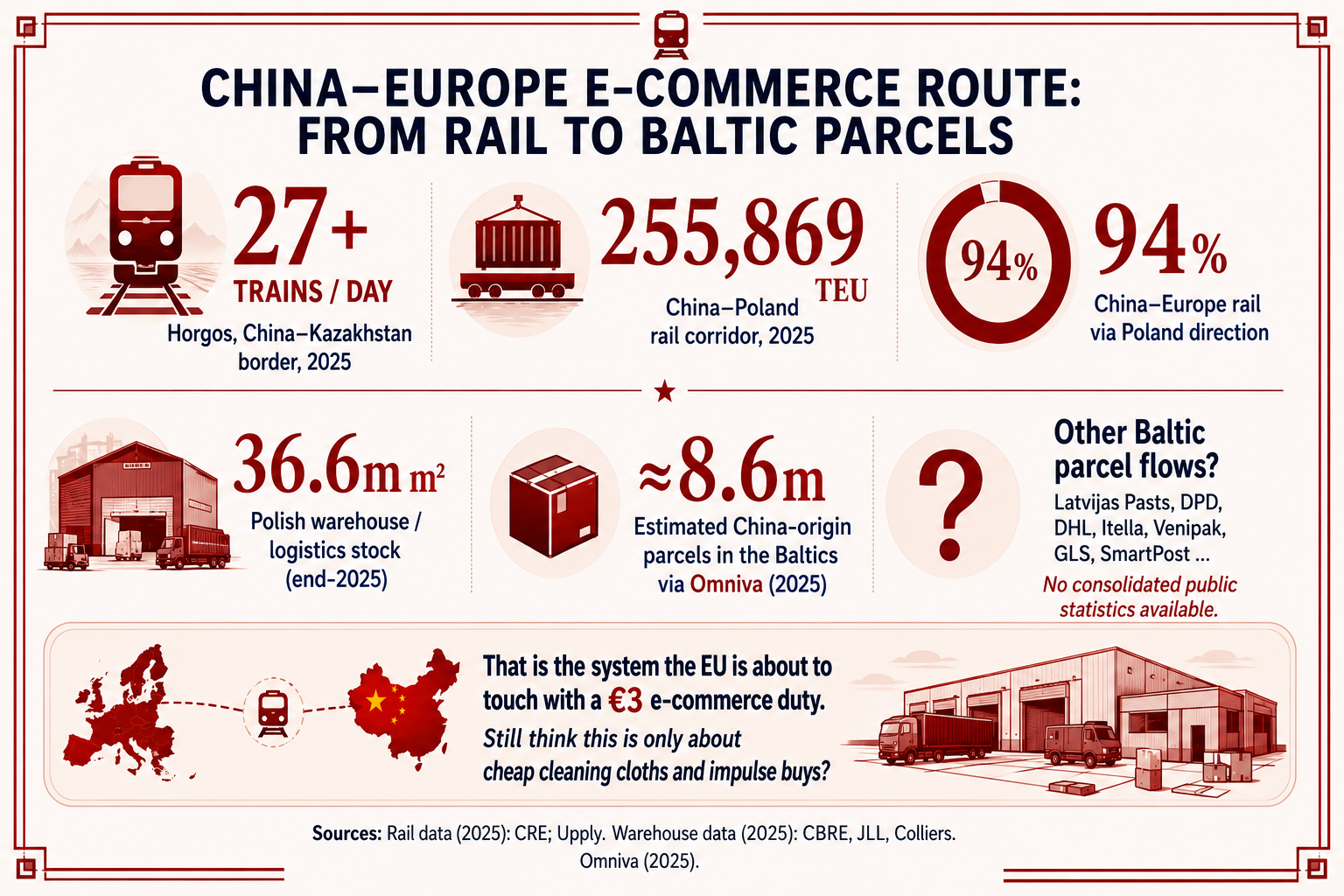
Not only online shoppers. The new charge reaches rail corridors, Polish warehouses, Baltic parcel operators and the logistics system built around low-value imports.
 Photo
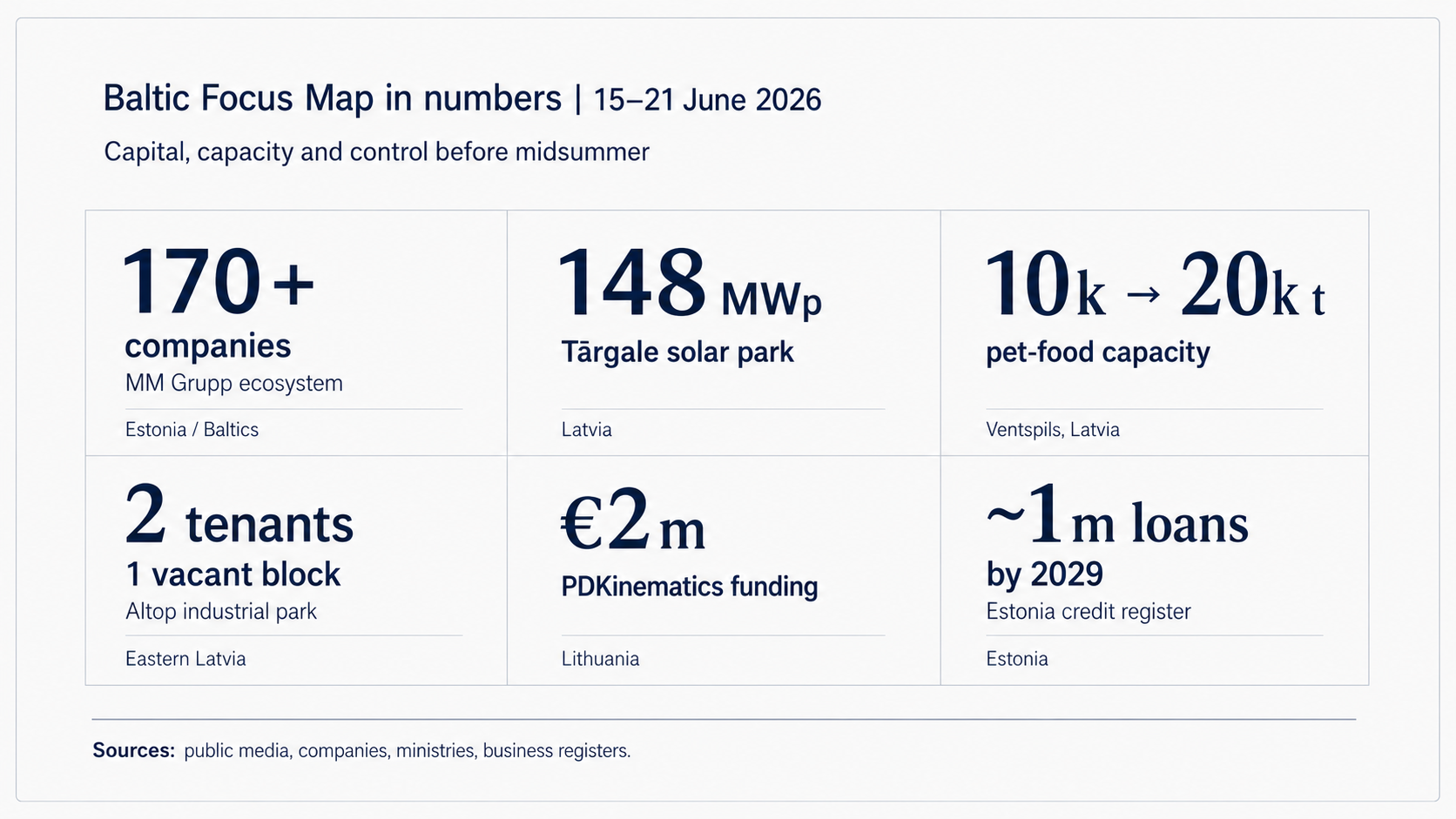
Ahead of the midsummer slowdown, the Baltic map remained unusually dense: central-bank forecasts, political resets, security-linked regulation, new energy and industrial capacity, pan-Baltic M&A, tighter credit controls and defence-tech signals all pointed to a region still being redrawn.
 Photo
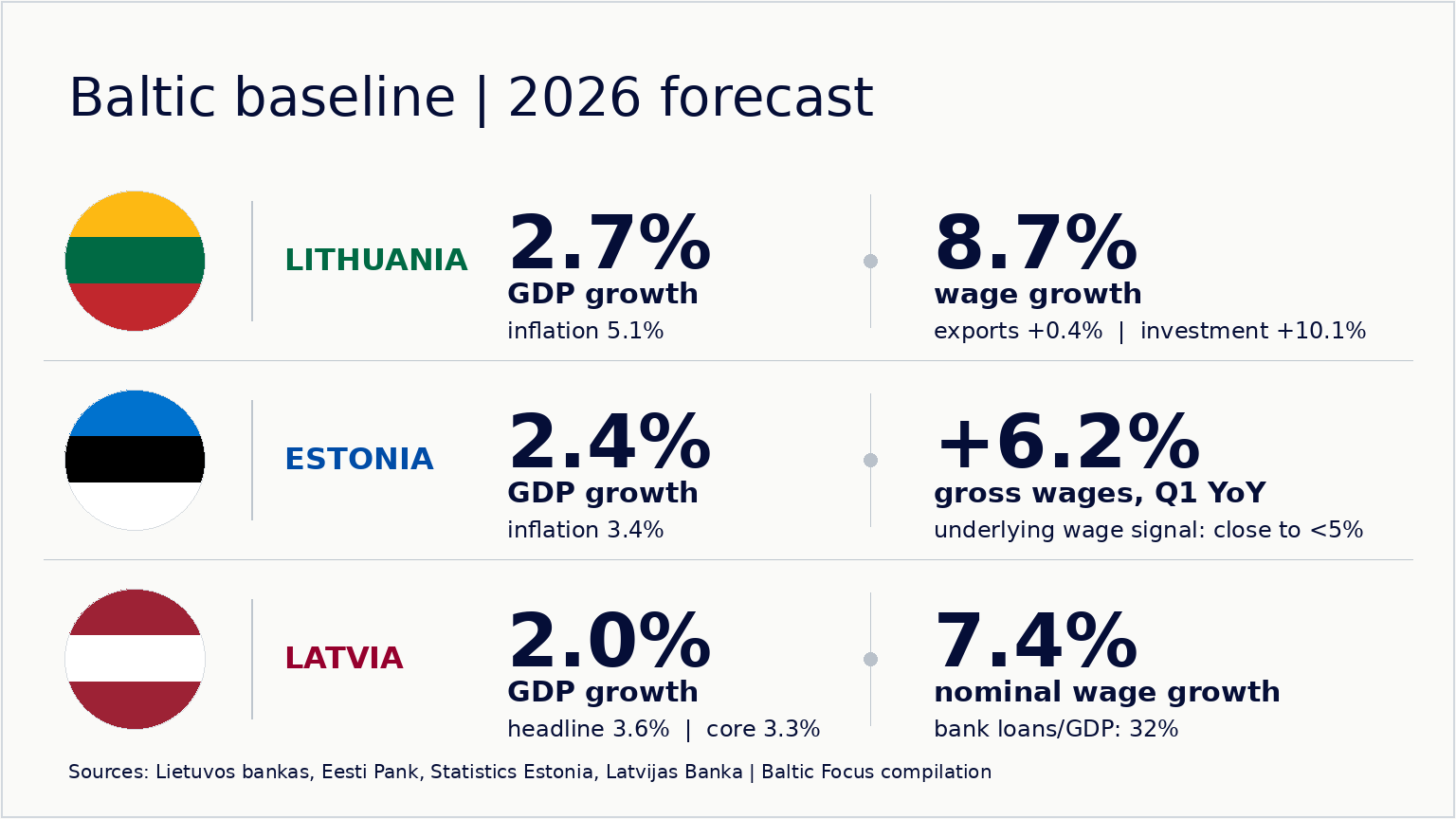
The Baltic economies are expected to keep growing in 2026, but the regional baseline is no longer a straightforward rebound story. The regional context is not neutral. Latvia, Lithuania and Estonia are small open EU economies, but they…
 Photo
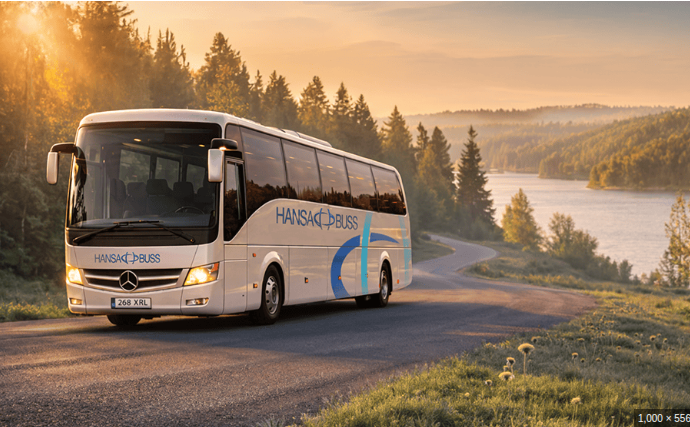
Hansa Group has agreed to sell Hansabuss, the largest private operator of public bus lines in the Baltics, to CapMan Nordic Infrastructure II,
 Photo
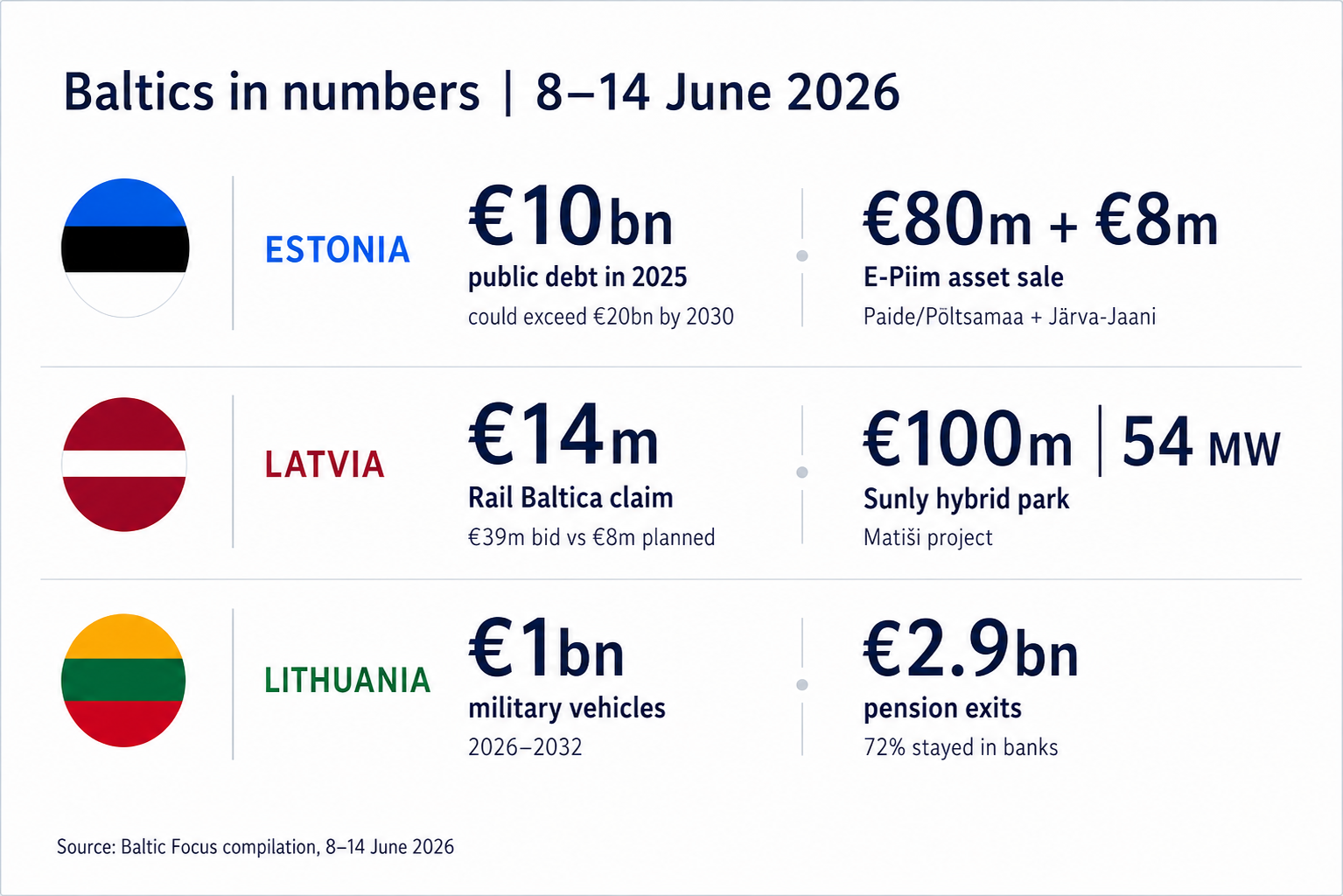
Baltic Focus Week Map, 8–14 June 2026: the week’s key Baltic economic signals in numbers.
 Photo
The Baltic market is moving from a simple generation story to a flexibility market: grid capacity, balancing reserves, hydro dispatch, battery storage and the ability to shift electricity between cheap and expensive hours are becoming central to price…
 Photo
Baltic Focus analysisEditor: Galina Molochkova Riga has just hosted a dense run of investor-facing events built around stability, innovation, competitiveness and aftercare. But Latvia’s domestic administrative signal raises a practical question: what kind of state will foreign investors…
 Photo
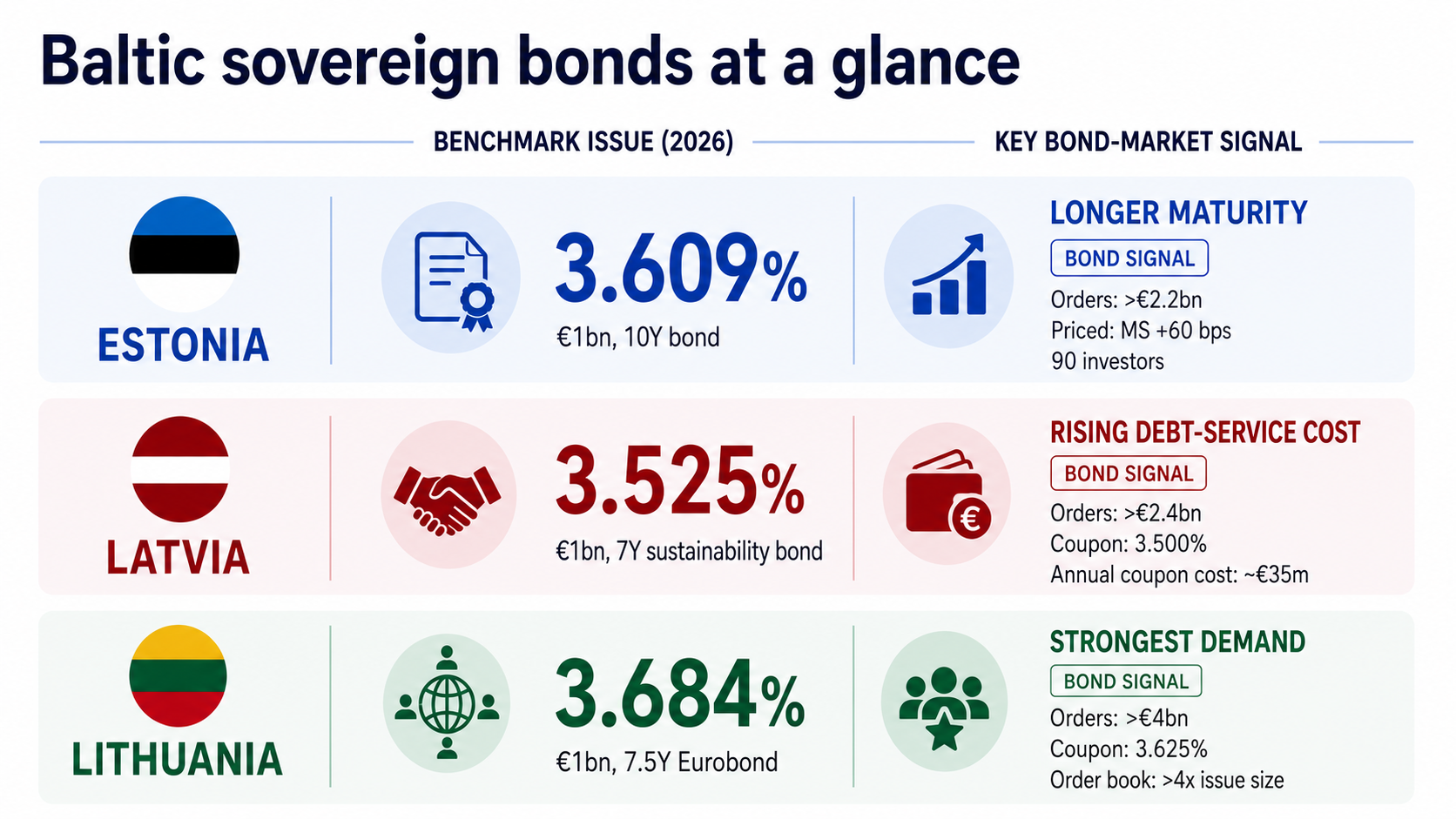
Over the past month, all three Baltic sovereigns have returned to international debt markets with benchmark-size euro issues
 Photo
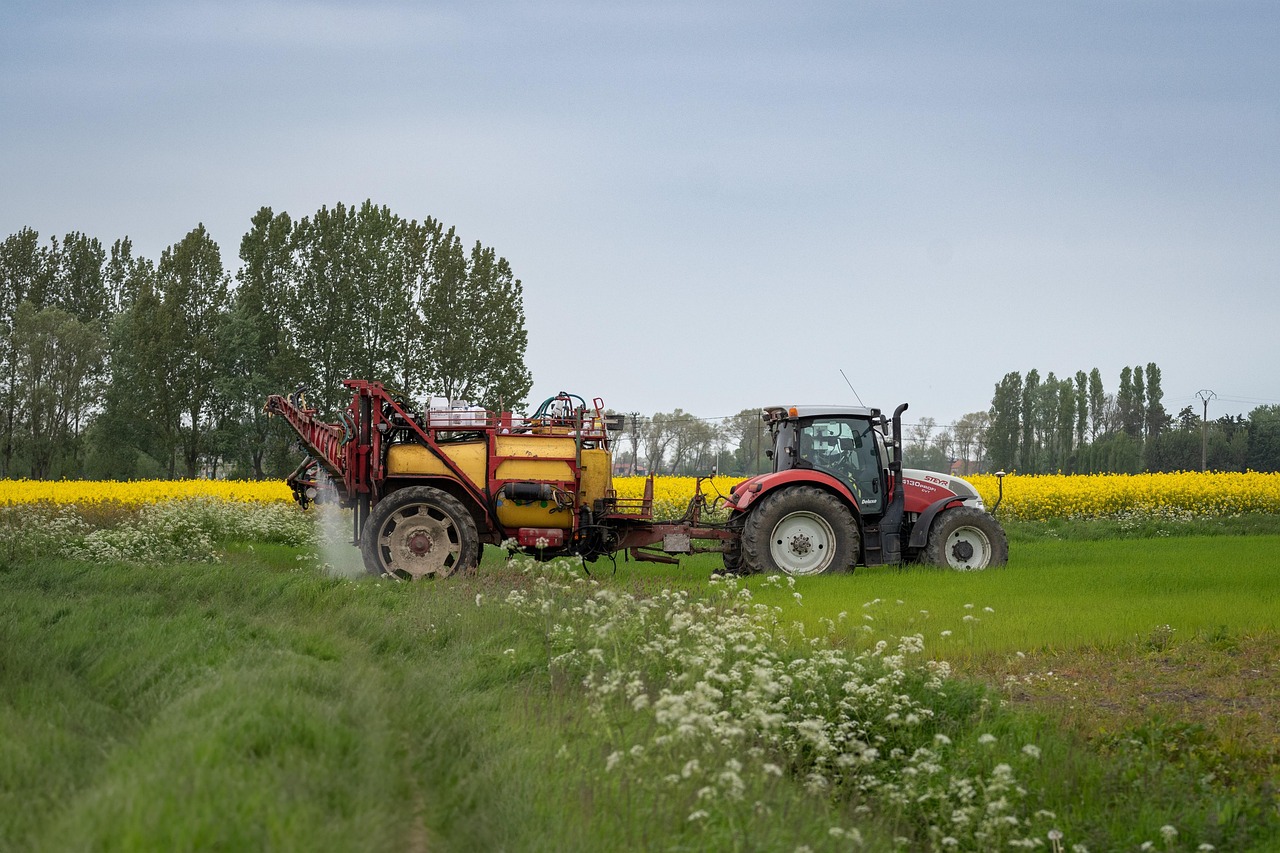
By early June 2026, the Baltic debate around GMOs no longer fits the old “GMO or non-GMO” frame. The formal language in Brussels has moved to CRISPR, new genomic techniques, seed transparency, patent disclosure, organic coexistence and the…
 Photo